Become a Counselor—Without Starting Over
Earn Your Doctorate. Prepare for Licensure.
Launch your counseling career as you earn your doctorate with a master’s degree in any field. AIC’s online Doctorate in Clinical Mental Health Counseling (EdD) is tailored to working professionals looking to transition into counseling or advance their careers.
This licensure-eligible program combines fully online doctoral study with preparation for clinical practice, while supporting future opportunities in leadership, supervision, counselor education, and beyond.
- One Streamlined Path
Prepare for roles as a Licensed Mental Health Counselor (LMHC) or Licensed Professional Counselor (LPC), while earning your doctorate. - Get Started With Any Master’s
Apply what you know and enroll with the graduate degree you already have—no starting over required. - 100% Online Coursework
Continue working while balancing your commitments with flexible online coursework and no campus travel.

Prepare for Licensure
Pursue licensure confidently with a contemplative curriculum aligned with Massachusetts and many other states.

Gain Career Flexibility
Prepare for clinical practice and open future doors for leadership, supervision, and academia roles through a terminal degree.

Start When You’re Ready
Choose from multiple start dates and full-or part-time enrollment, as you complete your doctorate in as few as 27 months.

Real-World Guidance
Be supported by dedicated staff during field placement, and experienced faculty who bring insight from diverse clinical settings.
7 Reasons to Choose an EdD
- Faster pathway to counseling field and advancement opportunities
- Practice-focused training designed for today's clinical mental health roles
- Flexible format built for working professionals and career changers
- Supports counseling practice and licensure pathways (state dependent)
- Prepares practitioners for future supervision and leadership
- Balanced doctoral approach with applied learning opportunities
- Supports long-term growth across clinical and organizational counseling environments
Doctoral Degree Paths
| EdD –- Clinical Mental Health Counseling | PsyD –- Counseling Psychology | PhD -- Clinical Psychology | |
|---|---|---|---|
| Primary Goal | Counseling practice + leadership | Clinical psychologist practice | Research + academia |
| Training Focus; | Applied counseling, supervision, systems | Intensive clinical assessment & therapy | Research, theory, teaching |
| Time + Structure | Typically 2-4 years, built for working adults | Typically 4-6+ years, intensive clinical training | Typically 5-7+ years, research-heavy |
| Research Focus | Balanced/ Moderate | Moderate, clinically applied | High |
| Best Fit | Career changers and working professionals seeking advancement into counseling practice, supervision, or leadership roles | Students seeking licensure as clinical psychologists with a strong clinical focus | Students pursuing academic/research careers |
| Career Outcomes (post-licensure) |
Licensed professional counselor, clinical supervisor, counseling or organizational leader | Licensed psychologist (clinical practice focus) | Licensed psychologist; faculty, researcher, academic leader |
Why Choose AIC EdD in Counseling?
| Compare Doctoral Programs | American International College | Springfield College | Walden University | UMass Boston |
|---|---|---|---|---|
| State | Massachusetts | Massachusetts | Minnesota | Massachusetts |
| Degree | EdD in Clinical Mental Health Counseling | PsyD in Counseling Psychology | PhD in Clinical Psychology | PhD in Clinical Psychology |
| Asynchronous/ Fully Online | ✓ | × | ✓ | × |
| Cost | $54,978 | ~106,080 | ~$96,555 | ~$56,100 |
| Credits | 66 credits | 96 credits | 163 quarter credits | 82 credits |
| Time to Complete |
2.3 years FT |
4-5 years | Varies | 5-7 years |
| On-Campus / Residency Requirement | NO | YES | 4 virtual residencies | YES |
Prepared for Counseling Practice. Doctoral-Credentialed for What’s Next.
The online Doctorate in Clinical Mental Health Counseling is designed for working professionals ready to transition to the counseling field. With licensure-eligible, CACREP-aligned coursework and structured support, this program helps you meet clinical experience requirements and build advanced practice skills. Earn a terminal degree that prepares you for expanded roles in clinical practice, supervision, and leadership while helping increase access to mental health care.
- 100% online coursework
- No campus residencies
- Field experience with hands-on support
- Full-time and part-time enrollment options
- Master's degree in any field accepted
- No GRE required
- Three start dates per year
- Complete in as few as 27 months
-
- 66 Credit hours
- 700 Practicum/internship hours
- 3 Intakes per year
- Full-time: 7 trimesters (2 years and 3 months)
- Part-time: 11 trimesters (3 years and 7 months)
- $830 per credit hour + fees*
*Please speak with your enrollment advisor about additional program fees.
-
-
-
- 66 Credit hours
- 700 Practicum/internship hours
- 3 Intakes per year
- Full-time: 7 trimesters (2 years and 3 months)
- Part-time: 11 trimesters (3 years and 7 months)
- $830 per credit hour + fees*
*Please speak with your enrollment advisor about additional program fees.
Interested in a Master’s degree?
Licensure-Ready by Design
The online Doctorate in Clinical Mental Health Counseling program is designed to offer licensure-eligible preparation for students who aspire to become mental health counselors. Coursework is structured to support counseling licensure requirements by covering foundational academic and clinical expectations required for licensure in Massachusetts and many other states.
Counseling licensure requirements are established by individual states and can vary widely. While AIC does not provide state-specific licensure determinations, students are supported throughout the program as they plan next steps related to licensure and professional practice.
Students are ultimately responsible for confirming requirements with the appropriate state licensing board. This approach reflects standard practice across counseling programs, as licensure regulations are subject to change.
This course emphasizes diversity in relation to the theories, issues, and trends related to multicultural counseling and family consultation. The focus is on the impact of diversity on psychological, physical and social health and growth. Coursework covers studies of the attitudinal and behavioral patterns of diverse people based on life stage, religious beliefs and rituals, sexual orientation, gender identity, racial identity, ethnicity, cultural beliefs and rituals, familial dynamics, socioeconomic status, and intellectual and physical differences. Students will gain the necessary knowledge and skills to provide competent counseling and consultation to diverse individuals, groups, and families. (3 credits)
This course encompasses the understanding of substance use disorder within the criteria of the current DSM and addiction as a disease within the medical model. Students will be introduced to contemporary theories on the social, physiological, psychological, and emotional components of addiction. The appropriate mental health counseling treatment modalities for addiction and co-occurring disorders will be reviewed and practiced through an understanding of the stages, effects, and processes of addiction. This course will cover prevention, interventions, and outreach strategies related to addiction and recovery counseling. Medically assisted treatment will also be discussed. (3 credits)
This course covers the major theories of human lifespan development in relation to the well-being of individuals and mental health counseling. Students will engage in a comprehensive study of major theories of physical, cognitive, affective, and social development and their application to mental health counseling and psychological interventions. Students will relate developmental theory to real-life developmental issues and to the understanding of learning and personality development. Through case studies and a review of literature, students will understand the nature of the developmental needs and potential issues of individuals and families at each developmental stage of life. (3 credits)
This course covers major theories and principles of psychopathology and intervention in relation to mental health counseling. Students will engage in a comprehensive study of the identification and diagnosis of psychopathology and mental health treatment planning for abnormal, deviant, or psychopathological behavior. This course includes the study of the assessment of psychopathology and therapeutic strategies for the treatment of crises, short-term mental health issues, and long-term mental health issues. Students will study the current Diagnostic and Statistical Manual (DSM) for the criteria of diagnoses in relation to intake, assessment, treatment planning, and counseling. Case studies will be examined to address the physiological, biological, and environmental factors related to psychopathology across the human lifespan. (3 credits)
What Will You Learn?
As a student in the online Doctorate in Clinical Mental Health Counseling program, you’ll build the clinical knowledge and practical skills needed to support individuals, groups, and communities across a range of behavioral health settings.
Grounded in a scientist-practitioner model, this program emphasizes the connection between theory, research, and evidence-based practice while preparing you for licensure and advanced counseling roles. You’ll learn how to:
- Build trusting, empathetic relationships with clients
- Develop a counseling approach grounded in evidence-based practice
- Understand how cultural, social, and economic factors influence mental health
- Apply trauma-informed and culturally responsive counseling strategies
- Support individuals experiencing anxiety, depression, trauma, substance use, and other mental health concerns
- Advocate for equitable access to mental health services
- Communicate effectively with clients, families, and interdisciplinary care teams
Whether you’re transitioning into counseling or advancing your professional experience, AIC’s online doctorate is designed to support your long-term growth in mental health.
EdD in Counseling Program Outcomes
The online Doctorate in Clinical Mental Health Counseling program is designed to meet the educational requirements for a licensed mental health counselor in the Commonwealth of Massachusetts and similar professional designations in other states.
You will gain experience addressing mental health issues, human dynamics, and social justice for various individual or group cases, institutions, or workplaces.
The program follows a balanced, sequential scientist–practitioner model that emphasizes the integration of theory, research, and clinical practice. A 100-hour pre-internship clinical practicum is required, followed by a 600-hour clinical internship at an approved site near you. Students complete the program with a dissertation and oral defense.
What Can You Do with a Doctorate in Counseling?
AIC’s online Doctorate in Clinical Mental Health Counseling is designed for both experienced counselors and career changers seeking entry into the counseling field.
Demand for mental health counselors continues to grow at a rate much faster than the average for U.S. occupations (BLS.gov), reflecting increasing need for accessible behavioral health services across healthcare and community settings.
As mental health awareness grows and care becomes more integrated across systems, professionals with advanced training are equipped to expand their clinical ability, leadership, and impact in the field.
| Counseling Career Paths | Licensure & Credentialing |
|
A doctorate in clinical mental health counseling supports advancement into a range of clinical, supervisory, and leadership roles, including:
|
Graduates may pursue advanced professional licensure and credentials that support independent clinical practice, supervision of other counselors, and expanded career opportunities in behavioral health settings. Common credentials include:
These licenses are state-regulated and determined by individual licensing boards. Once all requirements are met, counselors are generally eligible for independent work in private practice, healthcare systems, or community mental health settings. |

New England Commission of Higher Education

Top National College
U.S. News & World Report

A+ in Diversity from Niche
01
How does the field placement process work?
Field placement is one of the most hands-on and rewarding parts of your counseling training. You’ll gain real-world experience in your local community through a structured process that helps you build confidence and clinical skills in professional settings.
While placements are student-led, you’re not navigating the process alone. Your placement coordinator helps you identify sites, prepare materials, and complete any required paperwork. Faculty and staff also offer support and guidance to ensure you feel ready to get started.
02
How do I arrange my field experiences?
You play an active role in identifying and securing your field experience sites, giving you the opportunity to pursue settings that align with your interests and career goals. You’ll reach out to agencies in your community, while your placement coordinator provides structured 1:1 support, feedback, and assistance throughout the process.
Your faculty will serve as guides to help you move through your practicum and internship, bringing real-world insight and counseling expertise.
03
How do field placement services help me?
Field placement services are designed to support you from preparation through completion of your training. You’ll receive structured guidance as you secure your placement, complete required documentation, and transition into your clinical role.
Your experience includes:
- Practicum (100 hours): Introductory, supervised clinical experience focused on skill-building
- Internship (600 hours total): Advanced, immersive clinical training completed over your final two semesters
Throughout both experiences, your placement coordinator and faculty support you closely, so you can focus on applying what you’ve learned in real clinical settings.
04
What are some highlights of AIC’s field experience?
Your field experience connects classroom learning with real counseling practice through structured, supported clinical training.
- Focused Clinical Training
Complete practicum (100 hours) and internship (600 hours) aligned with CACREP and licensure requirements. Field placement is student-led, with coordinator support throughout the process. - Experienced Faculty
Learn from practicing counselors who support your development throughout your practicum and internship, offering real-world clinical insight and guidance. - Structured Placement Support
From preparation through completion, you'll receive coordinated support from faculty, placement coordinator, and Student Success Advisor, helping you secure and succeed in your clinical training.
Frequently Asked Questions
American International College is accredited by the New England Commission of Higher Education (NECHE). The online Doctorate in Clinical Mental Health Counseling (EdD) program’s curriculum is aligned with the Council for Accreditation of Counseling and Related Educational Programs (CACREP) to prepare you for licensure in most states. (Students are responsible for ensuring they meet all state licensing requirements.)
The length of the program depends on your enrollment pace. You can complete the online Doctorate in Clinical Mental Health Counseling on a full-time basis in two years and three months (seven trimesters), or part-time in three years and seven months (eleven trimesters).
The online Doctorate in Clinical Mental Health Counseling program costs $830 + fees* per credit hour for a total investment of $54,780. Financial aid may be available to our online students.
*Please speak with your enrollment advisor about additional ;program fees.
Yes. Faculty in AIC’s online Doctorate in& Clinical Mental Health Counseling program are experienced clinicians and educators with expertise across areas such as clinical practice, counseling theory, trauma-informed care, and field supervision. Many bring both professional practice experience and academic backgrounds, offering students a strong connection between theory and real-world application.
The faculty represent a range of specialties and interests within the counseling field, providing a well-rounded learning experience. You can view faculty profiles here.
Graduates receive a licensure-eligible education and are prepared to provide ethical, compassionate, and effective care in a variety of clinical mental health counseling settings. The program builds a strong foundation for professional practice and continued career development by helping students learn how to:
- Apply Counseling Skills: Use evidence-based practices, conduct assessments, and develop treatment plans.
- Support Diverse Clients: Work with individuals across the lifespan and integrate multicultural and trauma-informed approaches.
- Gain Real-World Experience: Complete supervised practicum and internship experiences while developing ethical decision-making skills and collaborating with care teams.
- Prepare for Licensure: Build the academic foundation required for professional counseling licensure (such as LPC, LMHC, or equivalent, depending on state requirements).
AIC is recognized by U.S. News & World Report and Niche, which assess institutions based on factors such as student outcomes, affordability, and overall academic experience. Founded in 1885, AIC has a long history of providing accessible, high-quality education to learners of diverse backgrounds.
Students receive support throughout the program from faculty and field placement personnel who can help guide discussions related to licensure expectations, clinical training, and professional preparation. AIC offers general guidance on licensure pathways; however, as requirements vary by state, students are encouraged to begin individual licensure planning early.
- Focused Clinical Training
Complete structured practicum and internship experiences aligned with CACREP standards and licensure requirements in Massachusetts and other states. - Experienced Faculty
Learn from practicing counselors who support your development throughout your supervised field placements. - Dedicated 1:1 Support
Receive ongoing guidance from a Student Success Advisor as you navigate practicum and internship milestones.
Ready to learn more? Submit a contact form
View the program guide and have an advisor reach out to answer any questions.
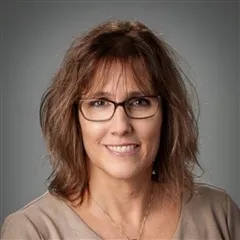
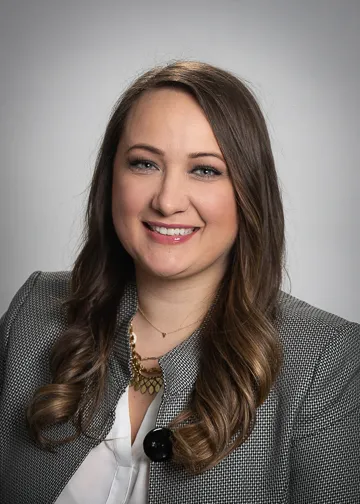
Meet Your Faculty

Lina Siniscalchi-Racicot, EdD
Director of Graduate Psychology & Associate Professor

Patricia Lally, PhD, EdD
Doctoral Program Supervisor & Adjunct Faculty

Sesooter Ikpah, PsyD
Adjunct Faculty (Clinical Psychology)