Become a Licensed Mental Health Counselor
Practice-Ready Training. Built for Real Life.
With a robust academic curriculum and dedicated resources, you’ll gain the knowledge and skills to serve individuals, families, and groups across diverse clinical settings. Build confidence as a practitioner through faculty guidance and applied learning, including flexible online coursework and hands-on field experiences.
- Licensure-Eligible Preparation
Move confidently toward becoming a Licensed Mental Health Counselor (LMHC) or Licensed Professional Counselor (LPC) through a program designed to meet licensure requirements in many other states. - Bridge Theory & Practice
Grow your counseling skills from applied learning experiences that connect coursework to clinical practice, preparing you to deliver client-centered care. - 100% Online Coursework
Complete your degree through a fully online format designed for flexibility, with no campus travel or residency requirements.

Practice-Ready Curriculum
Prepare for your future and build confidence as an LMHC or LPC through hands-on learning, reflection, and dedicated resources.

Support Where It Counts
Be supported by faculty and staff during field placement and key milestones, so you never have to navigate them alone.

Built for Real Life
Balance work and study with an online program designed for professionals, offering full & part-time enrollment & multiple intakes a year.

A Legacy of Inclusion
Join AIC’s longstanding commitment to expanding access in higher education through diversity, equity, and inclusion.
Prepared for Practice, Ready to Help
The online MA in Clinical Mental Health Counseling is built for working professionals who want to pivot their career to counseling. This program pairs licensure-eligible online coursework with structured support to help you navigate clinical experience requirements and become practice-ready. Prepare for a rewarding career supporting individuals and communities, as you work to expand access to mental health care.
- 100% online coursework
- No campus residencies
- Field experience with hands-on support
- Full-time and part-time enrollment options
- Bachelor’s degree in any field accepted
- No GRE required
- Three start dates per year
-
To be considered for enrollment in this program, you must meet the following requirements:
- Bachelor’s degree in any field
- 2.75 GPA
- 2 Letters of recommendation
- Personal statement
-
-
-
To be considered for enrollment in this program, you must meet the following requirements:
- Bachelor’s degree in any field
- 2.75 GPA
- 2 Letters of recommendation
- Personal statement
Already have your Master’s degree?
This course examines the major theories, principles, and techniques of mental health counseling and the application of such theories to counseling settings. This includes the examination of the influence of psychoanalytic, interpersonal/social, cognitive, and behavioristic theories on present therapeutic techniques. A number of treatment modalities and styles of counseling are evaluated, and the relationship between the nature of the current DSM diagnoses and the effectiveness of each approach is discussed. Coursework, classroom discussion, and role play are used to translate theoretical understanding into effective counseling behavior for a clear understanding of applying theoretical perspectives to work with clients and for consultation with individuals and families. (3 credits)
This course includes studies of the theories and principles of crisis intervention as applied to therapeutic strategies for treatment. Students will also examine and discuss trauma-informed care practices for an understanding of the pervasive nature of trauma to promote healing and avoid re-traumatization in the counseling relationship. The course provides a scientific base of various approaches to trauma-informed care and crisis intervention, including short-term and long-term counseling methods, community and societal crises, interventions with diverse clinical populations, professional skills for intervening, prevention techniques, and evaluation of services and the roles and responsibilities of others participating in crisis intervention. (3 credits)
This course traces the history of the major theoretical positions in psychology (structuralism, functionalism, behaviorism, gestalt, and psychoanalysis) from their epistemological, both rationalistic and empirical and philosophical roots, dating from ancient Greece to the present time. Coverage will include discussions of the scientific method and the philosophy of science. Finally, contemporary positions, especially those involved in the cognitive revolution, will be covered from both psychological and physiological points of view. Throughout these latter discussions, emphasis will be placed on the developmental aspects of human growth. (3 credits)
This course examines the theories of multicultural counseling, issues, and trends of a multicultural and diverse society. It includes the foundational knowledge and skills needed to provide mental health counseling services to diverse populations in a culturally competent manner. This course covers a number of advanced topics in the general area of social and interpersonal psychology, including cultural, ethnic, and group processes, familial patterns, sexual orientation, gender roles, disability status, religious beliefs, age, organizational behavior, group dynamics, status and role, attribution theory, and leadership. Special emphasis will also be placed on cultural diversity, including those issues related to cultural, racial, and ethnic bases of behavior. (3 credits)
FAST FACTS
3 intakes per year
Full-time or part-time
100% online coursework
Licensure-Ready by Design
The online MA in Clinical Mental Health Counseling program is designed to offer licensure-eligible preparation for students who aspire to become mental health counselors. Coursework is structured to support counseling licensure requirements by covering foundational academic and clinical expectations required for licensure in Massachusetts and many other states.
Counseling licensure requirements are established by individual states and can vary widely. While AIC does not provide state-specific licensure determinations, students are supported throughout the program as they plan next steps related to licensure and professional practice.
Students are ultimately responsible for confirming requirements with the appropriate state licensing board. This approach reflects standard practice across counseling programs, as licensure regulations are subject to change.
01
How does the field placement process work?
Field placement is one of the most hands-on and rewarding parts of your counseling training. You’ll gain real-world experience in your local community through a structured process that helps you build confidence and clinical skills in professional settings.
While placements are student-led, you’re not navigating the process alone. Your placement coordinator helps you identify sites, prepare materials, and complete any required paperwork. Faculty and staff also offer support and guidance to ensure you feel ready to get started.
02
How do I arrange my field experiences?
You play an active role in identifying and securing your field experience sites, giving you the opportunity to pursue settings that align with your interests and career goals. You’ll reach out to agencies in your community, while your placement coordinator provides structured 1:1 support, feedback, and assistance throughout the process.
Your faculty will serve as guides to help you move through your practicum and internship, bringing real-world insight and counseling expertise.
03
How do field placement services help me?
Field placement services are designed to support you from preparation through completion of your training. You’ll receive structured guidance as you secure your placement, complete required documentation, and transition into your clinical role.
Your experience includes:
- Practicum (100 hours): Introductory, supervised clinical experience focused on skill-building
- Internship (600 hours total): Advanced, immersive clinical training completed over your final two semesters
Throughout both experiences, your placement coordinator and faculty support you closely, so you can focus on applying what you’ve learned in real clinical settings.
04
What are some highlights of AIC’s field experience?
Your field experience connects classroom learning with real counseling practice through structured, supported clinical training.
- Focused Clinical Training
Complete practicum (100 hours) and internship (600 hours) aligned with CACREP and licensure requirements. Field placement is student-led, with coordinator support throughout the process. - Experienced Faculty
Learn from practicing counselors who support your development throughout your practicum and internship, offering real-world clinical insight and guidance. - Structured Placement Support
From preparation through completion, you'll receive coordinated support from faculty, placement coordinator, and Student Success Advisor, helping you secure and succeed in your clinical training.
What Will You Learn?
As a student in the online MA in Clinical Mental Health Counseling program, you’ll develop the skills to support, advocate for, and empower individuals, families, and groups—especially those in underserved communities who may face barriers to mental health care. You will learn how to:
- Build trusting, empathetic relationships with clients
- Develop your counseling style grounded in evidence-based theory and practice
- Understand how cultural, social, and economic factors influence mental health
- Apply trauma-informed and culturally responsive counseling approaches
- Support individuals experiencing anxiety, depression, trauma, substance use, and other mental health concerns
- Advocate for more equitable access to mental health services
- Communicate clearly and compassionately with clients, families, and care teams
CMHC Program Outcomes
The online MA in Clinical Mental Health Counseling program is designed to meet the educational requirements for a licensed mental health counselor in the Commonwealth of Massachusetts and similar professional designations in other states.
You will gain experience addressing mental health issues, human dynamics, and social justice for various individual or group cases, institutions, or workplaces. The program includes coursework in research, assessment, counseling, psychopathology, human development, and ethics. A pre-internship clinical practicum of 100 hours is required, followed by a 600-hour clinical internship at a practicum site near you.
What Can You Do with a Master’s in Counseling?
A Master’s in Clinical Mental Health Counseling opens the door to many career paths across healthcare, community, and private practice settings. According to BLS data, demand for counseling professionals continues to grow, with opportunities across diverse service areas.
- Nearly 20% of counselors work in outpatient mental health and substance abuse centers
- Approximately 16% work in individual and family services
- Around 7-8% work in hospitals and healthcare settings
Sample Job Titles |
Where You Might Work |
| Mental Health Counselor / Behavioral Health Therapist | Outpatient clinics, private practices, community mental health centers |
| Crisis Counselor / Crisis Intervention Specialist | Crisis hotlines, mobile crisis teams, hospitals |
| Substance Use Counselor / Addiction Counselor | Rehab centers, recovery programs, outpatient treatment facilities |
| Child & Family Counselor / Youth Counselor | School-based mental health programs, family service agencies, youth organizations |
| Behavioral Health Specialist / Integrated Care Clinician | Hospitals, primary care clinics, health systems |
| Mental Health Case Manager / Community Support Counselor | Nonprofits, public health agencies, social service organizations |
| Residential Counselor / Mental Health Clinician (Associate) | Residential treatment centers, long-term care programs |
| Associate Therapist / Counseling Intern (Post-Graduate) | Private practices and agencies under clinical supervision |

New England Commission of Higher Education
Top National College
U.S. News & World Report

A+ in Diversity from Niche
Frequently Asked Questions
American International College is accredited by the New England Commission of Higher Education (NECHE). The online MA in Clinical Mental Health Counseling program’s curriculum is aligned with the Council for Accreditation of Counseling and Related Educational Program (CACREP) to prepare you for licensure in most states. (Students are responsible for ensuring they meet all state licensing requirements.)
The length of the program depends on your enrollment pace. You can complete the online MA in Clinical Mental Health Counseling on a full-time basis in two years (six trimesters), or part-time in three years and three months (ten trimesters).
The online MA in Clinical Mental Health Counseling program costs $830 + fees* per credit hour for a total investment of $49,800.Financial aid may be available to our online students.
*Please speak with your enrollment advisor about additional program fees.
Yes. Faculty in AIC’s online MA in Clinical Mental Health Counseling program are experienced clinicians and educators with expertise across areas such as clinical practice, counseling theory, trauma-informed care, and field supervision. Many bring both professional practice experience and academic backgrounds, offering students a strong connection between theory and real-world application.
The faculty represent a range of specialties and interests within the counseling field, providing a well-rounded learning experience. You can view faculty profiles here.
Graduates receive a licensure-eligible education and are prepared to provide ethical, compassionate, and effective care in a variety of clinical mental health counseling settings. The program builds a strong foundation for professional practice and continued career development by helping students learn how to:
- Apply Counseling Skills: Use evidence-based practices, conduct assessments, and develop treatment plans.
- Support Diverse Clients: Work with individuals across the lifespan and integrate multicultural and trauma-informed approaches.
- Gain Real-World Experience: Complete supervised practicum and internship experiences while developing ethical decision-making skills and collaborating with care teams.
- Prepare for Licensure: Build the academic foundation required for professional counseling licensure (such as LPC, LMHC, or equivalent, depending on state requirements).
AIC is recognized by U.S. News & World Report and Niche, which assess institutions based on factors such as student outcomes, affordability, and overall academic experience. Founded in 1885, AIC has a long history of providing accessible, high-quality education to learners of diverse backgrounds.
Students receive support throughout the program from faculty and field placement personnel who can help guide discussions related to licensure expectations, clinical training, and professional preparation. AIC offers general guidance on licensure pathways; however, as requirements vary by state, students are encouraged to begin licensure planning early.
Ready to learn more? Submit a contact form
View the program guide and have an advisor reach out to answer any questions.
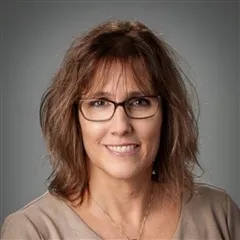
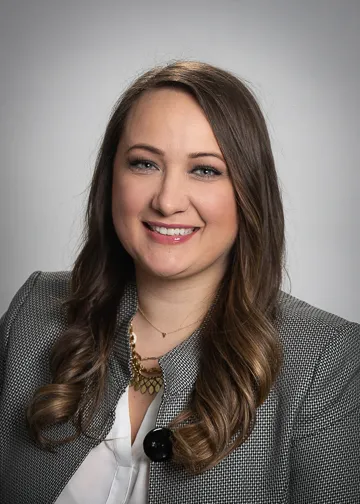
Meet Your Faculty

Lina Siniscalchi-Racicot, EdD
Director of Graduate Psychology & Associate Professor

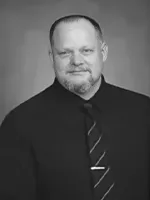
Christopher Anderson, EdD
Internship Coordinator & Lecturer

Marissa Hyszczak, EdD
Adjunct Faculty of Graduate Psychology

Sally Van Wright
EdD ’19
"I want to learn more, I want to study more, but I don’t want to stop doing what I’m doing to help people."
Eugene Isaak
EdD ’19
"I really like the atmosphere here, and I really like the people. They’re really engaged here; they really care. I discovered that AIC is a big part of this…